get to know us
Honesty, integrity & experience
Hardwood Flooring: Essential Characteristics to Consider
Every year, more than 4 billion square feet of homes get adorned with hardwood flooring. This shows its lasting popularity and value. The key characteristics of hardwood flooring are why it’s so loved. To pick the right floor, you need to know these traits. They ensure the floor is not just beautiful but also tough and green.

Hardwood floor durability is highly desired. Different types of wood have various strengths and can last longer. The popular hardwood floor finishes add to this strength. They protect the floor from daily damage while boosting its look. Options range from uniform Appalachian wood to sturdy Hickory or Brazilian Cherry, blending long life with style.
People love hardwood’s timeless beauty. But its quality, eco-friendliness, and refinishing options also make it a solid choice. With so many factors like your home’s location, your lifestyle, and your style, knowing what to look for helps. It lets you confidently choose the right hardwood floor for your house.
Key Takeaways
- The impact of species on hardwood floor durability.
- Significance of choosing sustainable and quality hardwood sources.
- Role of finishes in enhancing floor durability and aesthetic appeal.
- Importance of hardness ratings for different types of hardwood species.
- Considerations for installation methods tailored to individual needs.
- Maintenance and longevity as critical factors in flooring choice.
Introduction to Hardwood Flooring
Looking into hardwood flooring opens up many choices for both new homeowners and those looking to renovate. There are a lot of hardwood floor types, from classic solid hardwood to modern hybrids. This variety offers both beauty and practical benefits, making the decision of choosing the right hardwood flooring crucial in home improvement.

Overview of Hardwood Options
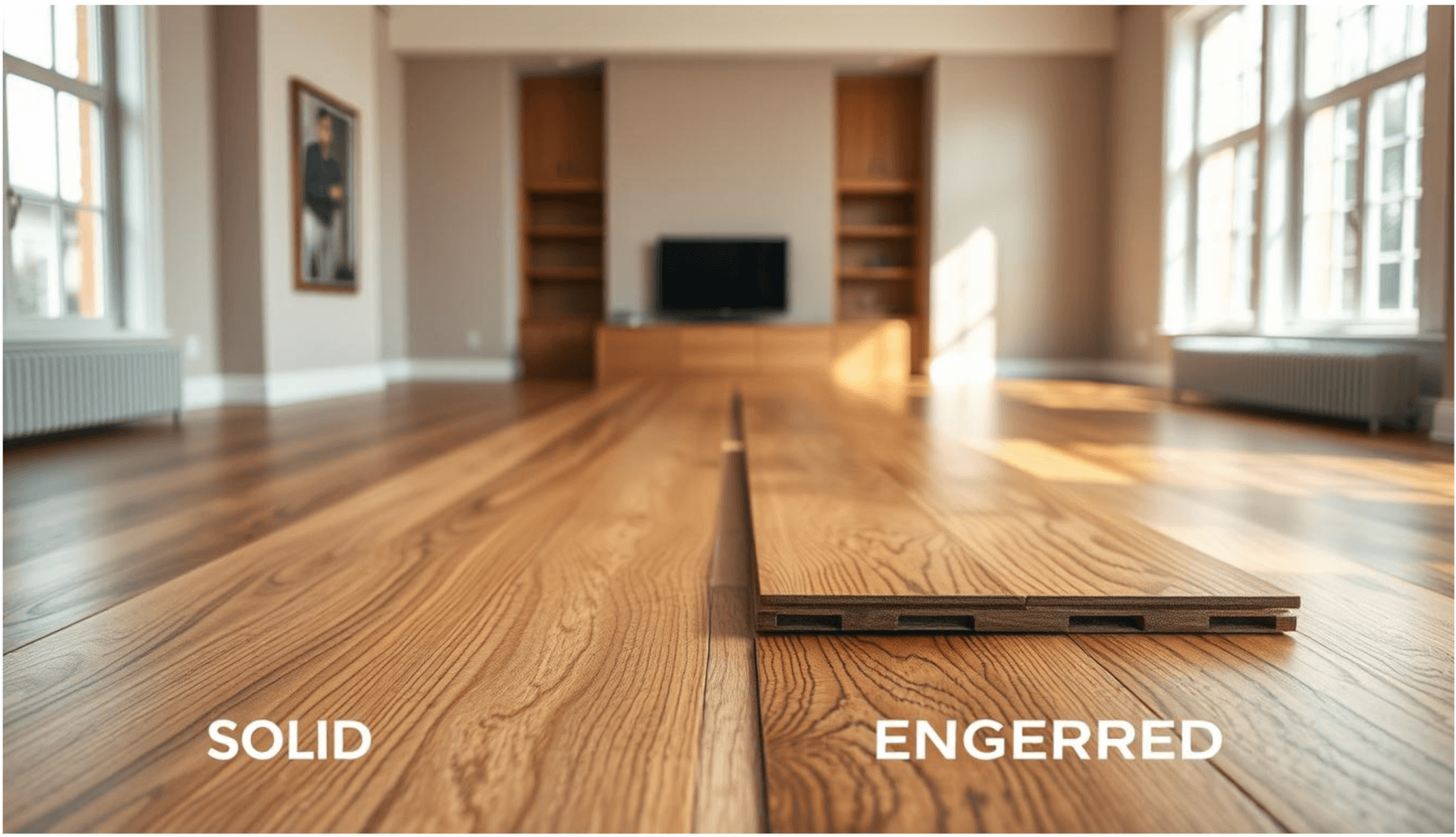
There are mainly two types of hardwood: solid and engineered. Each has its own perks to best serve different rooms. Solid hardwood brings durability and timeless beauty. On the other hand, engineered hardwood, with a real wood layer above composite material, is stable and fights moisture and heat, fitting more settings.
Benefits of Choosing Hardwood
One big benefit of hardwood flooring is boosting a home’s resale value. Hardwood is desired for its lasting elegance. It’s easy to clean, doesn’t hold dust or allergens like carpet, and comes in many finishes and types. This means there’s a hardwood option for every style and need.
Types of Hardwood Species
Finding the right hardwood flooring involves looking at different hardwood species. You can choose from popular local hardwoods to unique, exotic ones. Each type has special features and advantages.
Domestic hardwoods, found in the United States, include Oak, Maple, and Walnut. These are easy to find and they balance toughness with visual appeal well. Exotic hardwoods like Brazilian Cherry and Tigerwood stand out with their vibrant colors and patterns, adding a unique vibe to any place.

Let’s compare these species by their wood species hardness rating. This rating tells us how well the wood can handle wear and dents, an important thing to think about for flooring.
| Species | Type | Hardness Rating |
|---|---|---|
| Oak | Domestic | 1290 |
| Maple | Domestic | 1450 |
| Walnut | Domestic | 1010 |
| Brazilian Cherry | Exotic | 2350 |
| Tigerwood | Exotic | 2160 |
The table shows why Maple is a favorite for busy spots or homes with pets due to its high hardness rating. The choice between local and exotic hardwoods depends on what you need and like. Whether you lean towards the timeless beauty and sturdiness of local woods or the dramatic look of exotic species, knowing their hardness ratings helps you pick the best hardwood flooring. It matches your way of life and decorating style.
Durability of Hardwood Flooring
Hardwood floor durability is important when choosing flooring. The type of wood, construction, and finishes affect longevity. Factors like scratch and water resistance tell us about a floor’s life and care needs.

Scratch resistance matters a lot in busy homes or those with pets. Some hardwoods resist scratches better. It’s key to pick the right wood for your needs.
New tech has improved water resistance in hardwood floors. For example, engineered hardwood has layers that fight water damage. This makes water-resistant hardwood good for wet places.
How long your floors look great depends on proper care. Cleaning them right and knowing when to refinish helps a lot. Good care keeps floors looking new and extends their life. This makes your investment last longer and stay beautiful in your home.
The lasting beauty and strength of hardwood floors come from choosing wisely, using the right treatments, and caring for them well. Knowing and doing these things lets homeowners enjoy their floors for a long time.
Aesthetic Appeal
Hardwood flooring is loved for its beauty, which is key in making a room feel welcoming. Its natural colors, patterns, and finishes are important for matching the room’s look. Homeowners and designers think carefully when choosing hardwood flooring colors.

Visual Characteristics of Hardwood
Different types of hardwood can change how a space feels. Dark woods add warmth, while light woods can make a room seem bigger. Wood naturally boosts the look of any area.
Finishing Options
The right finish protects and highlights the wood’s beauty. Popular hardwood floor finishes include matte, satin, and gloss. Matte is loved for its modern vibe and hiding scratches, perfect for busy places.
Grain Patterns and Colors
The wood’s grain and color matter a lot in choosing hardwood flooring colors. Grains add texture, and color sets the room’s style and feeling. This choice affects both looks and ambiance.
| Finish Type | Visual Effect | Suitability |
|---|---|---|
| Matte | Subtle, masks wear | High-traffic areas |
| Satin | Balanced sheen, easy cleaning | Living rooms, bedrooms |
| Gloss | High shine, reflective | Formal spaces, low-traffic |
Installation Methods
When selecting how to install hardwood floors, think about the wood type, the material underneath, and how you’ll use the room. We’ll look at nailing, gluing, and floating floors. Plus, we’ll discuss if it’s better to do it yourself or hire a pro.
Nailing down hardwood floors is a classic choice for solid woods. You’ll nail the planks into a wooden base, creating a firm and quiet floor. It’s perfect for those wanting lasting floors and have a wooden base.
Floating hardwood floors offer a modern way to lay floors without nails or glue. The planks snap together and sit on the subfloor. It’s easier, faster, and works with many base types. Floating floors are great for busy areas or places with changing weather, fitting both homes and businesses well.
DIY installation might seem cheaper, but consider its complexities and the skills it needs. Mistakes can cause gaps, noises, and uneven surfaces, reducing any cost benefits. Experts ensure the floors are installed correctly and look good, helping your floors last longer.

Whether you’re looking at nailing, floating floors, or deciding between DIY and a pro, think about what will make you happiest long-term. Each method has its benefits for different needs, so pick what works best for your flooring project.
Environmental Impact
People are now more interested in how their choices impact the environment. This includes picking hardwood flooring with care. We’ll look at how using sustainable hardwood sources makes this flooring option more eco-friendly. This choice helps reduce our ecological footprint.
Sustainable Sourcing Practices
When picking hardwood floors, knowing where the wood comes from is key. Sustainable hardwood sources mean the wood is gathered in an eco-friendly manner. It aims to keep ecosystems balanced. Not just by cutting fewer trees, but by planting new ones and keeping the forest full of different life forms.
Eco-Friendly Finishes
Hardwood floors with eco-friendly finishes are great for the planet. They cut down on bad emissions inside our homes. Choosing floors with low chemicals or natural oils helps the environment. And it keeps our homes safer, too.
Recyclability of Hardwood
Hardwood floors are known for looking nice and being tough. But they are also recyclable. When they’re too old, the wood can be reused or recycled. This lessens waste and the need for new resources. Recycling hardwood is why it’s seen as an earth-friendly choice.

Choosing, setting up, and throwing away hardwood floors in an eco-friendly way matters a lot. Focusing on sustainable hardwood sources and smart disposal helps. These floors are still a good choice for those who care about the planet.
Cost Considerations
Thinking about getting hardwood floors? There are several costs to consider. These include the buy price, effect on home value, and upkeep costs. Each part impacts the overall cost of hardwood flooring. With good management, hardwood floors remain beautiful and functional for a long time.
Knowing the true value and upkeep costs of hardwood floors is key. It helps you make a smart choice that fits your budget and home improvement plans.
Initial Purchase Price
Hardwood flooring prices change a lot. They depend on the wood type, finish, and where it’s from. Prefinished hardwood is more at the start but is durable and needs less care right after putting it in. This choice saves money over time because you spend less on labor and finishing later.
Long-Term Investment Value
Hardwood floors can really boost your home’s value. They don’t wear out or look old as fast as carpet or vinyl. With good care, hardwood floors last for many years, raising your home’s hardwood floor value.
Maintenance Costs
The cost to keep hardwood looking good depends on regular cleaning and occasionally refinishing solid wood floors. How much and how often you do this depends on the finish and how much you use the floors.

Even though hardwood floors cost more upfront, they pay off. They last a long time, improve your home’s look and value. With the right care, hardwood floors make your home more charming and valuable for a long time.
Maintenance Requirements
To keep hardwood floors beautiful and long-lasting, regular care is needed. A thorough hardwood floor maintenance guide not only makes your floors look better but also protects your investment. We will go through important steps to keep your floors in top shape. This includes tasks like refinishing hardwood floors every so often.
Cleaning Hardwood Floors
Cleaning your hardwood floors regularly is key. Use products and tools recommended by the manufacturer. This protects your floors from harsh chemicals. Sweep every day to get rid of dust, and clean up spills right away to avoid water damage.
Dealing with Scratches and Dents
Hardwood floors can get scratched and dented, especially in busy areas. To lower the risk of damage, place rugs at entryways and felt pads under furniture legs. If scratches happen, a hardwood touch-up kit can hide small scratches well.
Periodic Refinishing
After a while, even well-kept hardwood floors start to show wear. Refinishing hardwood floors brings back their shine. This usually means sanding off the old finish, fixing any flaws, and applying a new top coat. Refinishing significantly lengthens your floor’s life.
| Maintenance Action | Frequency | Benefit |
|---|---|---|
| Daily sweeping | Daily | Prevents debris accumulation and surface scratching |
| Deep cleaning | Monthly | Removes build-up and maintains finish |
| Refinish | Every 5-7 years | Restores original appearance and protects wood |

Comfort and Acoustics
When we talk about hardwood flooring, we can’t skip the comfort of hardwood flooring and acoustics of hardwood floors. These factors are crucial for making a living space better. They add warmth and reduce noise in daily life.
Hardwood’s warmth is not just about how it feels but also about the coziness it adds to a room. It’s especially loved when it’s cold outside, making any room welcoming.

Even though hardwood floors may not naturally quiet sounds as some softer floors do, you can improve this. Choosing the right underlay and installation can make acoustics of hardwood floors better. This means a more peaceful home.
The comfort of hardwood flooring is about more than just its look. It helps keep a room’s temperature steady and lowers noise. Therefore, hardwood is perfect for those wanting beauty and function in their homes.
Conclusion: Choosing the Right Hardwood Flooring
Looking for the perfect hardwood floors is as daunting as it is thrilling. Durability, beauty, and caring for the environment are key in picking the best options. People choose between domestic and exotic woods, thinking about scratch and water resistance, plus how easy they are to keep up.
The character of a room comes from its floors — the grain, color, and finish are essential. They help create the right feeling in a space.
Key Factors to Weigh
When picking the right hardwood, think about daily life. Will pets, high heels, or spills be common? These daily challenges affect what hardwood is best.
It’s important to balance cost and value. Paying more now could mean less upkeep and longer floor life. This decision can lead to great satisfaction from this key investment.
Making an Informed Decision
Choosing the right hardwood flooring means aligning style, practical needs, and green values. Understanding installation, eco-friendly finishes, and recycling shows a commitment to sustainability without losing quality. With expert advice, finding the right hardwood is a step towards a beautiful, durable, and eco-friendly home. This thoughtfulness helps homeowners find the best options, ensuring years of happiness and contentment.
FAQ
What are the main differences between solid and engineered hardwood?
Solid hardwood comes from one piece of wood. It can be refinished many times and looks classic. Engineered hardwood has a hardwood top over plywood layers. This makes it stable and good for moist areas or homes with underfloor heating.
How does the choice of hardwood species impact flooring durability?
Hardwoods vary in hardness. Hickory, Oak, Maple, and Brazilian Cherry are tougher and resist damage better. The type of wood you choose impacts how long and well your floor holds up, especially in busy spots or homes with pets.
What installation methods are available for hardwood flooring?
There are three ways to install hardwood floors. You can nail it down on wood subfloors. Glue-down works on concrete or other types. Floating floors are easy to install and often cost less. This method is great for engineered wood.
Can hardwood flooring increase a home’s market value?
Yes, hardwood floors can make a home more valuable. They last long, look great, and never go out of style. Potential buyers often look for these floors, making homes with them more desirable.
Are hardwood floors environmentally friendly?
Hardwood floors can be green if the wood is harvested responsibly and made with minimal waste. Choosing eco-friendly finishes that use less harmful chemicals also helps reduce environmental harm.
What types of finishes are available for hardwood floors?
There are many finish options for hardwood floors. You can choose from oil-based, water-based polyurethanes, or natural oils. You can also pick the finish’s shine, like matte or glossy. Some finishes make the floor look textured, adding unique charm.
How do I maintain my hardwood flooring?
To keep your hardwood floors looking good, clean them with the right products. Use felt pads under furniture. Don’t wear outdoor shoes inside. Quickly clean up spills. Solid wood floors might need refinishing from time to time to stay protected.
How can I choose the right hardwood flooring for high-traffic areas?
For busy areas, go for harder woods like Oak or Maple. Choose floors with strong finishes to prevent scratches and wear. Thick veneer engineered hardwoods are good too. They can be refinished when necessary.
What are the benefits of wide plank hardwood over narrow strip flooring?
Wide plank hardwood can make spaces look larger and more modern. Narrow strip floors offer a classic look and can make small rooms appear bigger. The choice depends on what style you prefer and the room’s size.
What should I consider when dealing with hardwood floors in moisture-prone areas?
In places with more moisture, opt for engineered hardwood. It’s less likely to warp with humidity changes. Choose floors with water-resistant finishes or use moisture barriers during installation to protect your floor.
continue reading
Related Posts
Vestibulum ac diam sit amet quam vehicula elementum sed sit amet dui.
Curabitur non nulla sit amet nisl tempus convallis quis ac lectus mauris.